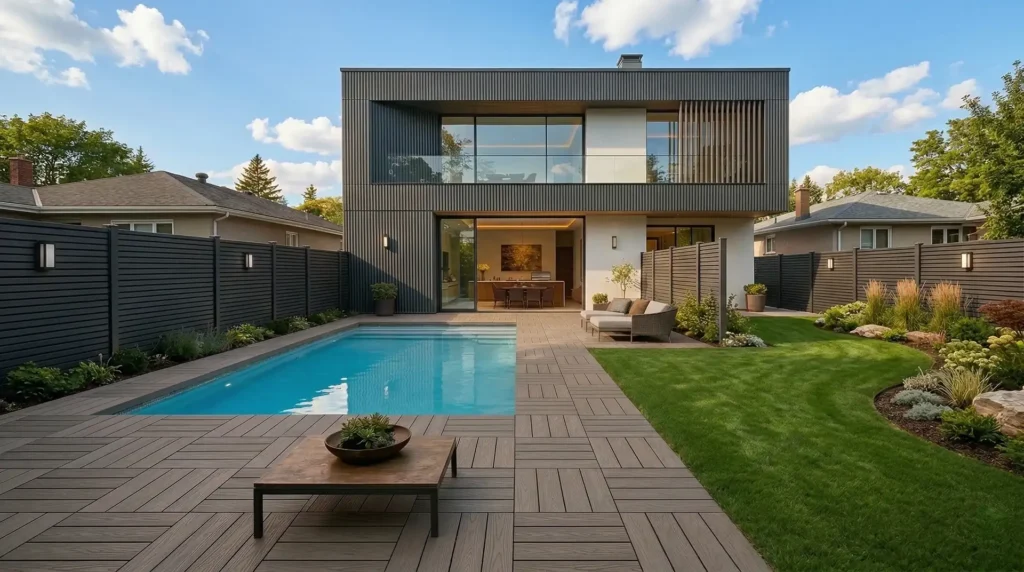

Premium Decorative Building Materials Solutions
Premium Decorative Building Materials SolutionsWe supply composite decorative building materials to a global network of B2B partners, encompassing products such as WPC, SPC, and PVC deck&flooring, wall panels, fencing, and more.
Interlocking Deck Tiles & Materials
01
WPC Deck Tiles
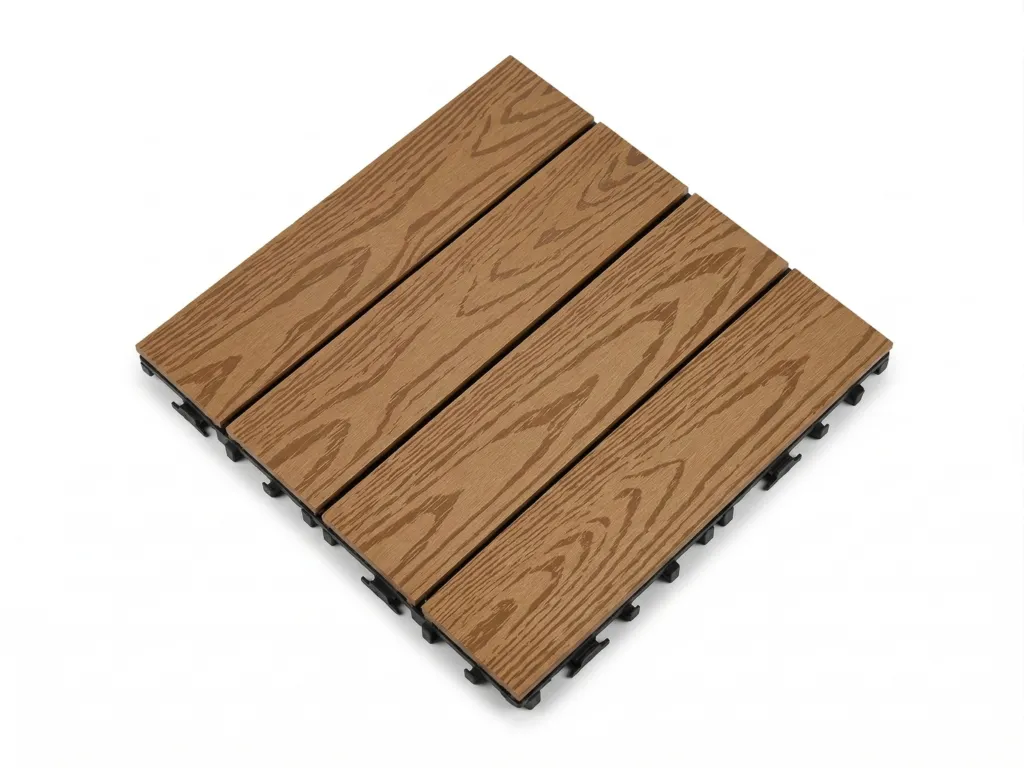
High-performance composite tiles. Low maintenance and durable for residential or commercial outdoor projects.
02
Wood Deck Tiles
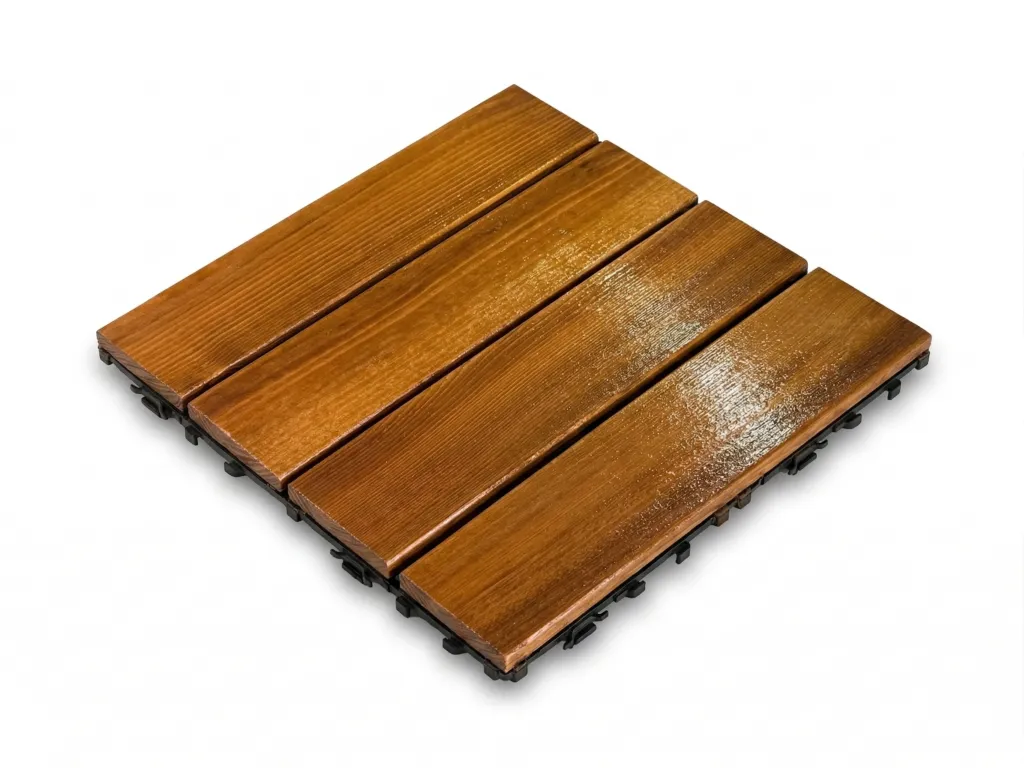
Crafted from premium natural wood with a durable interlocking PE base. Offers a high-end aesthetic for luxury outdoor living spaces.
03
Plastic Deck Tiles
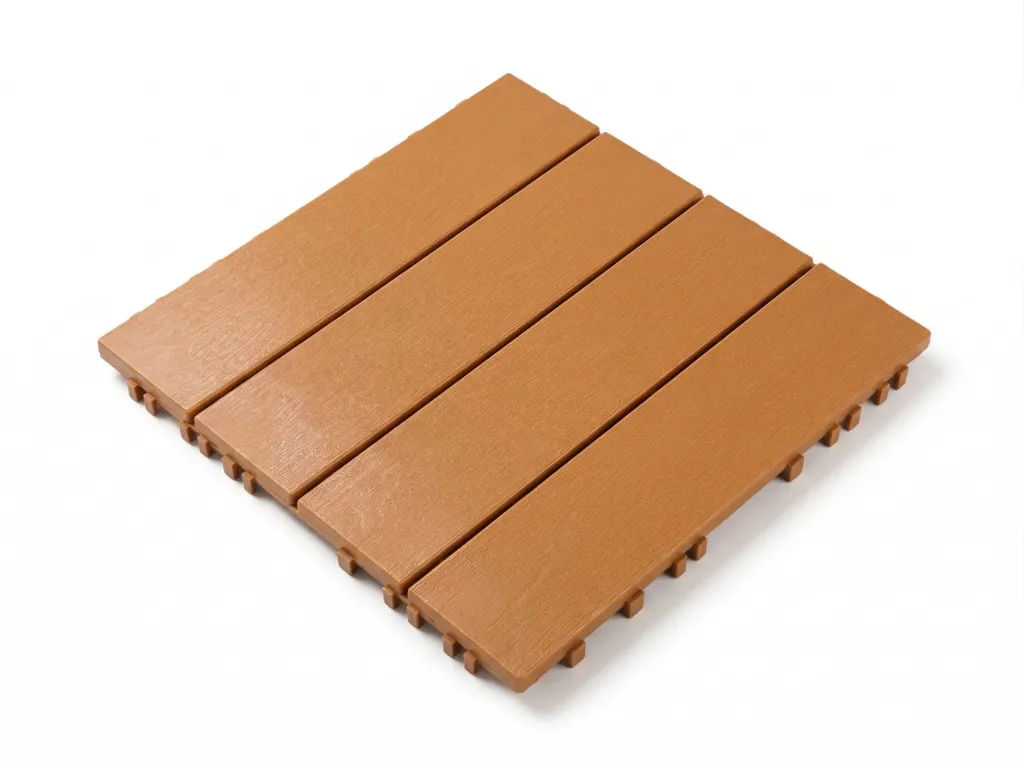
Heavy-duty, 100% recyclable plastic tiles. Features excellent drainage and anti-slip properties, ideal for poolside or industrial applications.
04
Artificial Grass Tiles
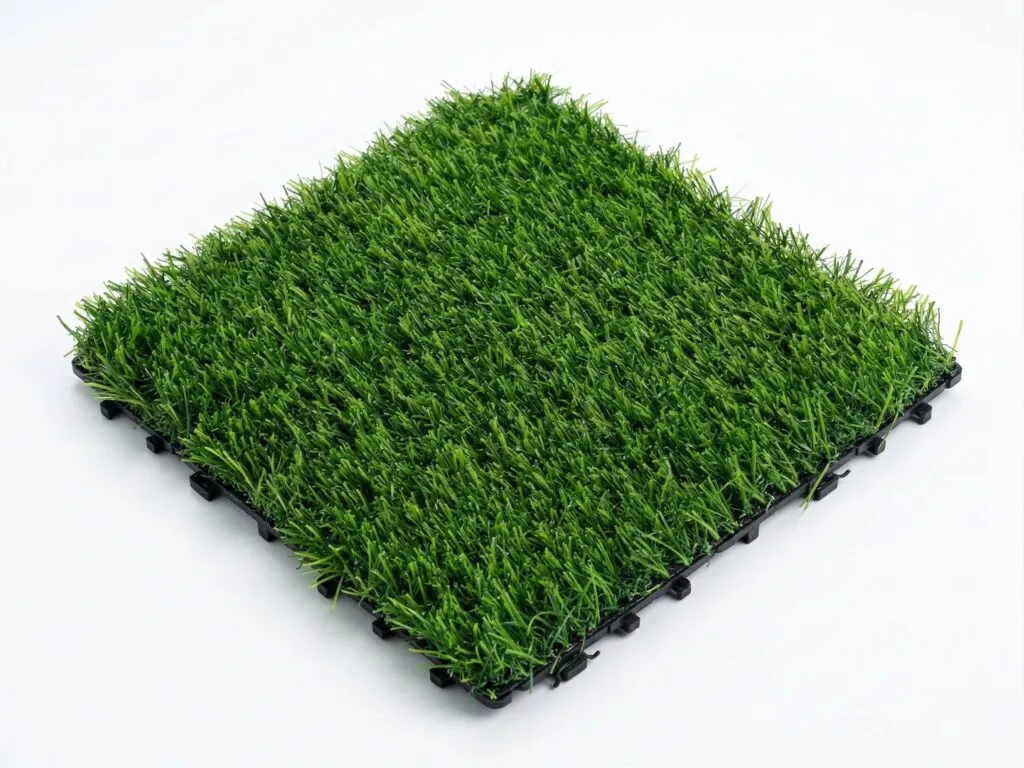
Realistic synthetic turf combined with a self-draining interlocking base. Provides a lush, zero-maintenance green space for instant installation.
05
More Products Coming Soon

We are expanding our outdoor product range to bring you more innovative solutions. Stay tuned for new product launches.
06
More Products Coming Soon
We are expanding our outdoor product range to bring you more innovative solutions. Stay tuned for new product launches.
FOUR MATERIALS, ONE BASE SYSTEM
Which tile for which surface
Deck tiles solve one problem: a surface you cannot or do not want to build a subframe on. A concrete balcony, a flat roof, a paved courtyard, a rental where nothing can be fixed down. The tiles clip to each other rather than to the building, so the finished deck floats on top and comes up again in an afternoon.
All four of ours run on the same interlocking base, so the decision is only about the surface you walk on. That choice is driven by where the tiles are going, not by which one is best.
Tile
Surface
How it behaves
Suits
WPC
Wood and HDPE composite
Wood look without the upkeep. Holds color in full sun and shrugs off standing water.
Balconies, terraces, anywhere the finish has to look deliberate
Hardwood
Natural timber on a PE base
The only one that is real wood, so it is the only one that greys off and needs oiling.
Show spaces and high-end residential where the patina is wanted
Plastic
Solid recycled polypropylene
Open structure, heavy drainage, strong grip underfoot. Reads as functional, not decorative.
Poolside, wash-down areas, plant rooms, industrial walkways
Grass
Synthetic turf on a draining base
Green underfoot with no soil, no irrigation and no mowing. Drains through the base.
Roof terraces, show gardens, pet runs, event build-outs
Not sure which fits the surface you have? Send us the substrate, the exposure and the traffic and we will tell you, including when the answer is a board rather than a tile.
WHERE THEY GET LAID
Surfaces deck tiles are specified for
Balconies and terraces
The original case. A concrete balcony slab is level, ugly and often out of bounds for fixings. Tiles clip together on top and lift out for inspection.
Flat and podium roofs
A walkable surface over a membrane with nothing screwed through it. The base raises the tile clear so water still runs to the outlet underneath.
Poolside and wet surrounds
Drainage and grip are the whole specification here. Plastic tiles let water straight through; WPC handles the splash zone without swelling.
Courtyards and patios
Over existing paving or concrete that is sound but tired. Faster and cheaper than lifting it, and reversible if the space changes use.
Rental and leasehold fit-outs
Nothing is fixed to the building, so nothing has to be made good at the end of the lease. The deck leaves with the tenant.
Events and temporary build-outs
Laid in a day, lifted in a day, stacked on a pallet between jobs. The interlocking base takes repeated cycles better than a built deck.
QUICK ANSWERS
Deck tile FAQ
What are interlocking deck tiles?
Squares of decking, usually 300 x 300 mm, mounted on a plastic base that clips to the base of the tile beside it. They lock to each other rather than to the building, so the finished surface floats on whatever is underneath and can be lifted again without damage.
Do deck tiles need a subframe or fixings?
No. That is the point of them. They need a surface that is solid and reasonably level, and nothing else. No joists, no screws into the slab, no membrane penetrations. On a balcony or a flat roof that is usually the difference between a job that is allowed and one that is not.
What surface can they be laid on?
Concrete, existing paving, screed, timber decking, a roof membrane and compacted hardcore all work, provided the surface is stable and drains. Soil, loose gravel and bare grass do not, because the tiles will move and settle unevenly. Level the surface first or the deck will telegraph every hollow.
How does water drain away?
The base raises the tile off the surface and leaves a gap underneath, so water passes through the joints and runs away below the deck rather than sitting on it. This is why the surface below still needs a fall to a drain. Plastic tiles drain the fastest, hardwood the slowest.
Which tile suits a roof terrace?
WPC for appearance, plastic where drainage and weight matter most, grass where the brief asks for something green. All three sit on the membrane without fixings. Check the load allowance for the roof before ordering, and tell us the figure so we can confirm the tile weight against it.
Can deck tiles be lifted and reused?
Yes, and it is one of the main reasons they get chosen. The tiles unclip, stack on a pallet and go back down somewhere else. Expect some wear on the base clips after repeated cycles, so order a small overage if the deck is going to be moved regularly.
What is the minimum order?
It varies by material and finish. Tell us the area, the material and the destination port and we will quote the minimum alongside the price, rather than making you work backwards from a piece count.

© 2026 Structa Deck. All Rights Reserved. Operated by Linyi Senwei Supply Chain Co., Ltd. | Privacy Policy